
The Importance of Sneaker Quality: How Materials and Construction Impact Performance
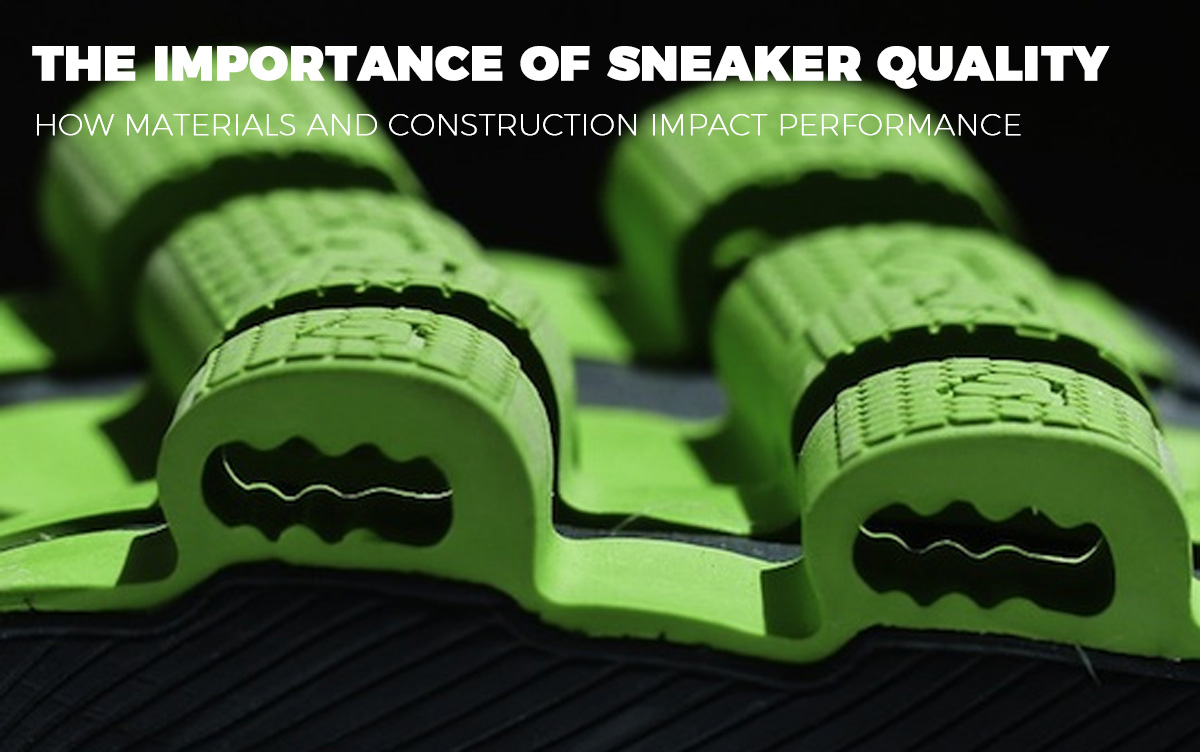
Sneakers have become an integral part of our daily lives, serving not only as fashionable footwear but also as essential tools for athletic performance. However, not all sneakers are created equal. The quality of materials used and the construction methods employed can have a significant impact on the overall performance of the shoe. In this article, we will explore the importance of sneaker quality and delve into how materials and construction techniques influence athletic performance.
Materials
The choice of materials in sneaker construction plays a crucial role in determining its quality and performance. High-quality sneakers often feature a combination of durable and lightweight materials such as leather, mesh, and synthetic textiles. These materials offer breathability, flexibility, and stability, which are essential for optimal performance.
1.1 Breathability:
One of the key factors in sneaker performance is breathability. When engaging in physical activities, our feet produce sweat, which needs to evaporate to keep our feet dry and comfortable. Sneakers with breathable materials allow air to circulate, preventing excessive moisture buildup and reducing the risk of blisters and discomfort.
1.2 Flexibility:
The flexibility of a sneaker determines how well it adapts to the natural movement of our feet. Materials like mesh and synthetic textiles offer excellent flexibility, enabling the foot to bend and flex without restrictions. This flexibility enhances agility, reduces the risk of injuries, and allows for a more natural stride.
1.3 Stability:
Stability is a critical aspect of sneaker quality, particularly for athletic activities that involve quick changes in direction or lateral movements. High-quality sneakers utilize materials like leather and synthetic overlays to provide stability and support to the foot, reducing the risk of ankle sprains and providing a secure fit.
Construction
Apart from materials, the construction techniques employed in making sneakers greatly influence their performance. Quality construction ensures durability, comfort, and proper foot alignment.
2.1 Stitching and Seam Quality:
The stitching and seam quality in a sneaker play a significant role in its durability. Sneakers with reinforced stitching and well-constructed seams are more likely to withstand the rigors of regular use and intense physical activity. Additionally, high-quality stitching prevents discomfort and irritation caused by rough or protruding threads.
2.2 Cushioning and Midsole Construction:
The midsole is a crucial component of a sneaker that provides cushioning, shock absorption, and stability. Quality sneakers incorporate advanced cushioning technologies such as air or gel pockets, EVA foam, or polyurethane materials. These technologies not only enhance comfort but also minimize the impact on joints, reducing the risk of injuries.
2.3 Outsole Traction:
The outsole of a sneaker is responsible for providing traction and grip on various surfaces. High-quality sneakers feature durable and patterned rubber outsoles that offer excellent traction and stability. The tread patterns and grooves in the outsole ensure reliable grip, reducing the likelihood of slipping and enabling better performance in different environments and weather conditions.
The quality of sneakers significantly impacts athletic performance. The choice of materials, such as breathable and flexible textiles, contributes to comfort, stability, and foot health. Additionally, well-constructed sneakers with reinforced stitching, cushioned midsoles, and reliable traction enhance durability, minimize injuries, and optimize overall performance. When selecting sneakers, it is important to consider both materials and construction techniques to ensure a high-quality product that meets your specific needs. By investing in well-made sneakers, you are investing in your performance, comfort, and long-term foot health.
Comfort as a Priority: Advances in Cushioning and Fit Technology
Sneakers and Social Impact: How Sneaker Brands Drive Positive Change
Related Article


