
Comfort as a Priority: Advances in Cushioning and Fit Technology
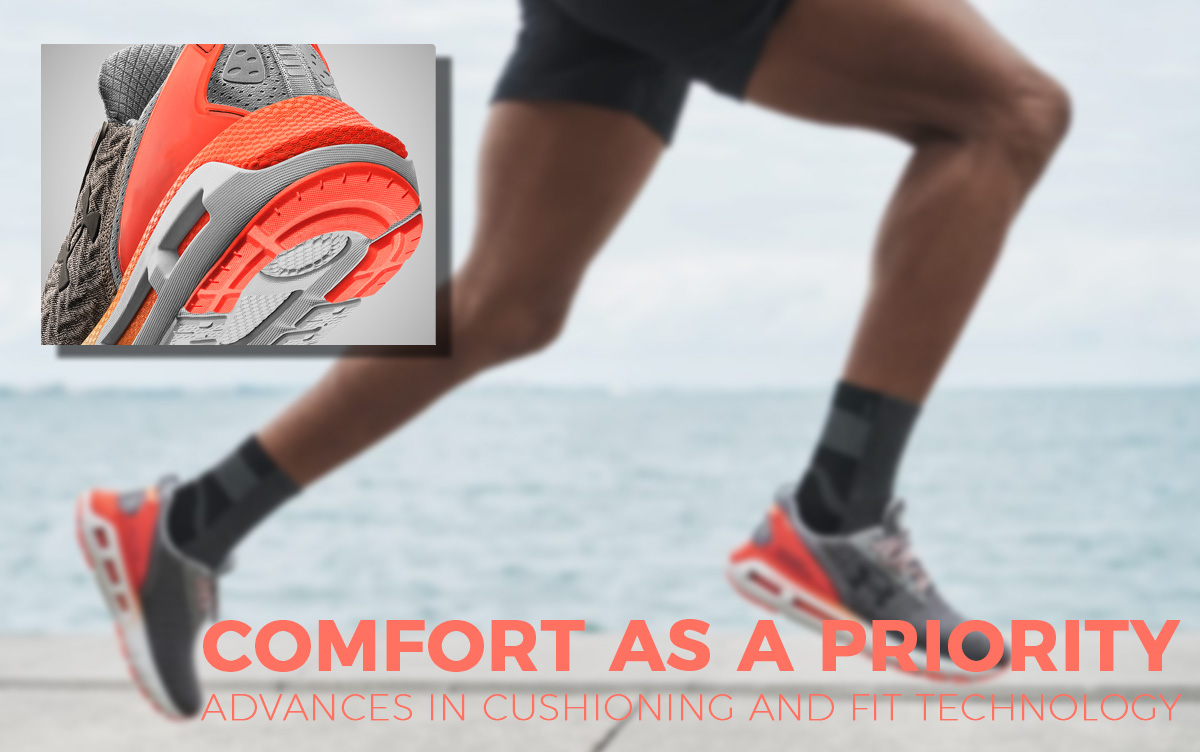
In recent years, there has been a significant shift in the priorities of manufacturers and designers in various industries, particularly in the realm of footwear. The emphasis on comfort has become paramount, and this focus has led to remarkable advancements in cushioning and fit technology. This article aims to explore the cutting-edge developments in this field and shed light on how these innovations are revolutionizing the way we experience comfort in our everyday lives.
Evolution of Cushioning Technology:
Cushioning technology has come a long way since the early days of simple foam padding. Today, manufacturers are utilizing state-of-the-art materials and engineering techniques to provide unprecedented levels of comfort. One notable breakthrough is the advent of air-based cushioning systems. These systems utilize pressurized air pockets strategically placed within the midsole to absorb impact and provide a responsive and cushioned feel. Brands like Nike with their Air technology and Adidas with their Boost technology have gained significant recognition for their exceptional cushioning capabilities.
Foam Innovations:
Foam, a staple material in cushioning, has also undergone remarkable advancements. Traditional foams often lacked the ability to provide adequate support and responsiveness. However, with the introduction of technologies like EVA (ethylene-vinyl acetate) and PU (polyurethane) foams, manufacturers can now engineer foams with varying densities, making them ideal for specific areas of the foot. This targeted approach ensures optimal support and cushioning where it is needed most, enhancing overall comfort.
Customized Fit Solutions:
Another aspect of comfort that has seen significant progress is the development of customized fit solutions. Recognizing that every individual's feet are unique, footwear companies are investing in technologies that enable personalized fit experiences. One such innovation is 3D scanning and printing, which allows for the creation of custom insoles or even entire shoe components tailored to an individual's foot shape. This level of customization ensures a precise fit, reducing discomfort and enhancing overall comfort.
Smart Technologies:
The integration of smart technologies has further elevated the comfort factor in footwear. Sensor-equipped shoes can analyze and interpret data, such as pressure points and gait patterns, in real-time. This information enables the shoe to adapt and provide dynamic support and cushioning as the wearer moves. Additionally, smart technologies can provide feedback to the wearer, highlighting areas where adjustments may be necessary for optimal comfort and foot health.
Beyond Footwear:
While the focus of this article has been on footwear, it is worth mentioning that the advances in cushioning and fit technology are not limited to shoes alone. The concepts and innovations developed in this field have found applications in various other products, such as furniture, mattresses, and even clothing. From memory foam mattresses to ergonomic office chairs, comfort has become a priority across different industries, benefiting consumers in their daily lives.
The advances in cushioning and fit technology have transformed the concept of comfort, making it a paramount consideration for manufacturers and designers. From air-based cushioning to customized fit solutions, these innovations have revolutionized the way we experience comfort in our footwear and beyond. As technology continues to advance, we can expect even greater breakthroughs, further enhancing our overall well-being and comfort in the years to come.
Waterproof and Weather-Resistant Sneakers: Innovations for All Seasons
The Importance of Sneaker Quality: How Materials and Construction Impact Performance
Related Article


