
Testing and Quality Control: Behind the Scenes of Sneaker Production
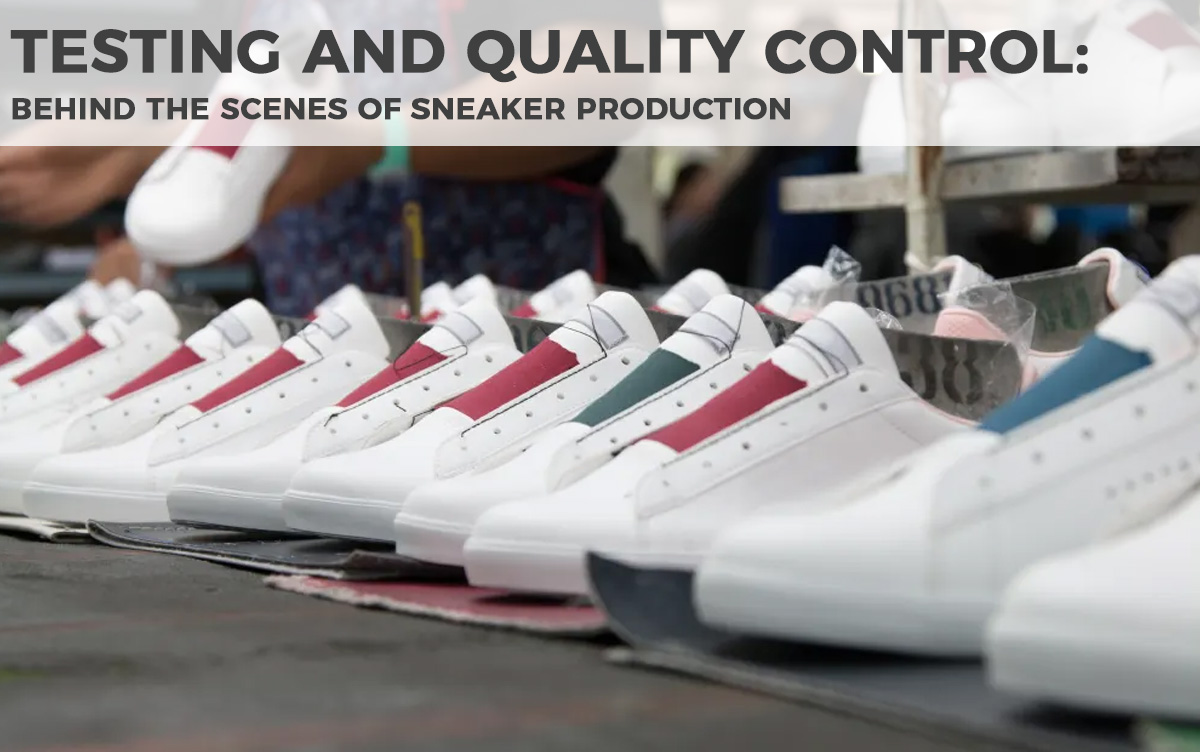
The global sneaker industry has witnessed remarkable growth over the years, with millions of pairs being manufactured and sold worldwide. However, behind the scenes of sneaker production lies a complex process that involves meticulous testing and quality control measures. In this article, we will delve into the various stages of sneaker production, uncovering the rigorous testing methods employed to ensure the highest standards of quality.
Design and Prototype Development:
The journey of a sneaker begins with a creative design process, where designers conceptualize and sketch their ideas. Once the design is finalized, a prototype is developed to assess its feasibility and functionality. The prototype undergoes several rounds of testing to evaluate factors such as comfort, fit, and overall performance. This testing phase helps in identifying any design flaws that need to be addressed before mass production.
Materials Selection:
Sneakers are made using a variety of materials, including leather, mesh, rubber, and synthetic fabrics. Each material undergoes rigorous testing to ensure its durability, strength, and adherence to safety standards. Quality control teams evaluate factors such as flexibility, abrasion resistance, colorfastness, and chemical composition to ensure that only the highest quality materials are used in production.
Manufacturing Process:
Once the design and materials are finalized, the manufacturing process begins. Every step of the production line involves quality control measures to maintain consistency and adherence to design specifications. From cutting and stitching the fabric to molding the midsoles and attaching the outsoles, each component undergoes thorough inspection to ensure precision and accuracy.
Performance Testing:
One of the most critical aspects of sneaker production is performance testing. Sneakers are subjected to a battery of tests to evaluate their functionality and durability. These tests include:
a. Flexibility Test: The sneakers are flexed repeatedly to assess the flexibility of the materials and ensure they can withstand regular movements without cracking or tearing.
b. Cushioning Test: The midsoles are examined to evaluate their ability to absorb shock and provide optimal cushioning during various activities.
c. Traction Test: The outsoles are tested on different surfaces to assess their grip and traction, ensuring stability and preventing slips.
d. Wear and Tear Test: Sneakers are subjected to simulated usage scenarios, including walking, running, and twisting, to assess their durability and resistance to wear and tear.
Safety and Quality Assurance:
Sneaker manufacturers prioritize the safety and well-being of their consumers. To ensure this, additional tests are conducted to assess factors such as:
a. Breathability: The sneakers' ability to allow air circulation and prevent excessive heat and moisture buildup is evaluated.
b. Impact Resistance: The toe caps and heel counters are tested to determine their ability to protect the feet from impact.
c. Stitching and Adhesion: The stitching and adhesion of various components are examined to ensure they can withstand rigorous use.
d. Chemical Testing: Sneakers undergo testing for harmful substances such as lead, phthalates, and other potentially hazardous chemicals.
Behind every pair of sneakers lies a thorough and comprehensive testing and quality control process. From design and materials selection to manufacturing and performance testing, each stage plays a vital role in ensuring the sneakers meet the highest standards of quality, durability, and safety. The rigorous measures undertaken by sneaker manufacturers aim to provide consumers with comfortable, reliable, and high-performance footwear that meets their expectations and enhances their overall experience.
The Role of Sneaker Reviews: How Consumer Feedback Influences Quality Standards
Ethical Manufacturing: Brands Promoting Fair Labor Practices in Sneaker Production
Related Article


