Built to Perform: Sneakers and the Evolution of Sports Culture

Where It All Began: The Athletic Origin of Sneakers
Long before sneakers landed on fashion week runways or filled Instagram feeds, they were pure performance gear. From running tracks to basketball courts, sneakers were engineered to solve problems:
How to land softly after a high jump
How to grip wooden courts without sliding
How to sprint without heel fatigue
The earliest sneaker breakthroughs weren’t aesthetic—they were athletic. Arch support, tread design, foam density—these were the innovations that mattered.
Game-Changing Milestones in Sports Footwear
1920s: Converse All-Stars set the tone for basketball
1970s: Nike’s waffle sole revolutionized running efficiency
1980s–1990s: The Air Jordan series blurred lines between sport and fashion
2000s: Carbon plate tech redefined competitive marathons
Behind each silhouette was a problem-solving mindset. And that mindset still drives the best designs today—including ours.
Lucky Step: Where Sport Meets Street
With Lucky Step, we bring the soul of a sports shoe into everyday living.
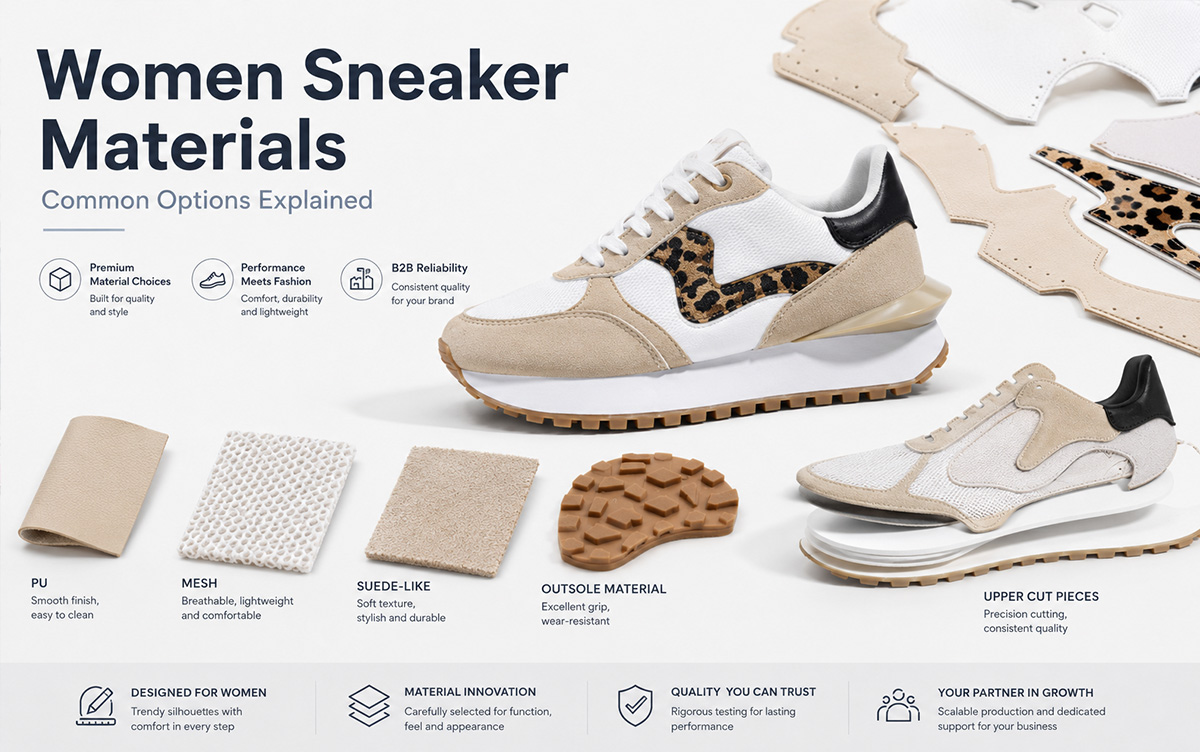
Our thick-soled urban runners use the same EVA compounds found in track shoes
Slip-on styles borrow flexibility from yoga footwear
Chunky silhouettes pay homage to 90s basketball culture—but with modern air flow channels
It’s not about pretending to be an athlete. It’s about recognizing that modern life is its own kind of sport.
From Marathon to Metro: Why It Still Matters
When your day involves standing, sprinting, pausing, carrying, climbing—you deserve shoes built for performance, even if you’re not on a team. The truth is, comfort isn’t a luxury. It’s an advantage.
More Than Footwear: The Cultural Code of Sneakers
Designed Globally, Worn Locally: Lucky Step’s Place in the Sneaker World
Related Article