
The Anatomy of a Sneaker: Understanding Shoe Components
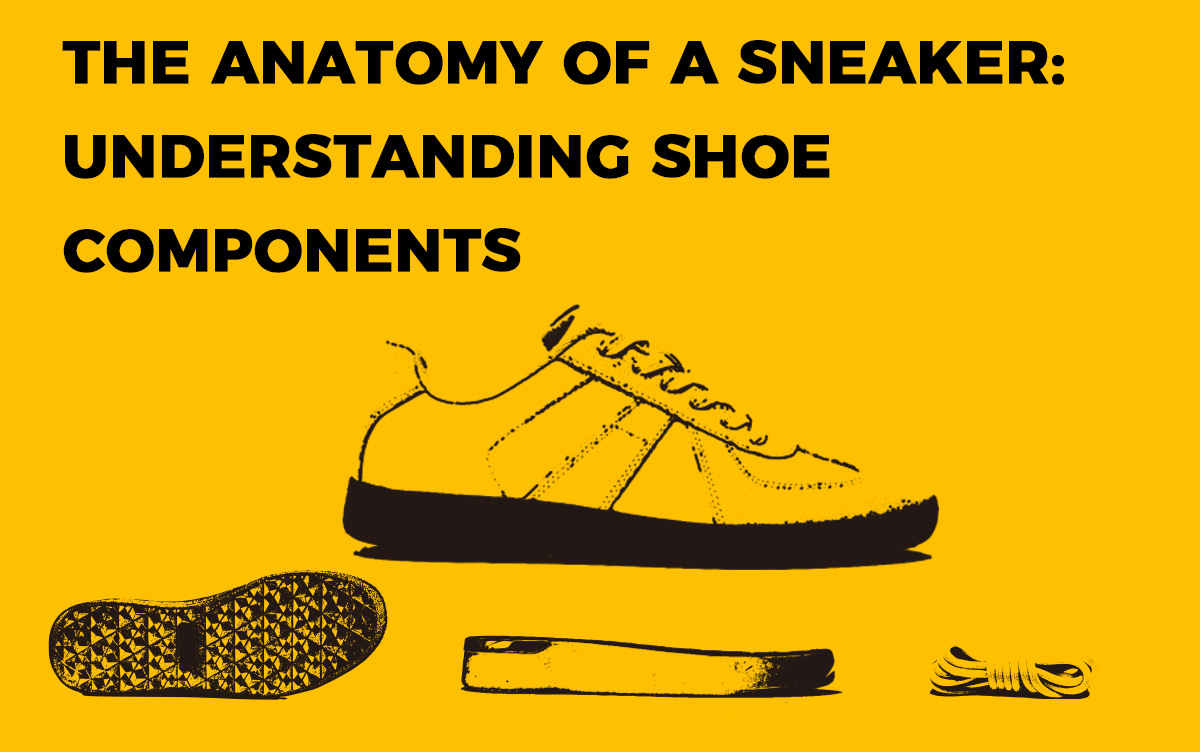
In the world of athletic footwear, understanding the anatomy of a sneaker is essential for selecting the right pair that suits your needs. This article aims to break down the various components of a sneaker, including the outsole, upper, tongue, and insole. By explaining their functions and impact on the feet, readers will gain valuable insights to make informed choices when it comes to selecting the perfect athletic shoes.
Outsole:
The outsole is the bottom part of the shoe that comes into contact with the ground. Its main functions include providing traction, durability, and protection against abrasion. Different patterns and materials are used to optimize grip on various surfaces, ensuring stability and preventing slips during physical activities.
Upper:
The upper refers to the top part of the shoe that covers the foot. It is responsible for holding the foot securely in place and providing support. The materials used for the upper can vary, including synthetic fabrics, mesh, leather, or a combination of these. The upper's design and construction influence factors such as breathability, flexibility, and overall fit.
Tongue:
The tongue is a padded flap located between the upper and the foot. It helps protect the foot from lace pressure and friction, providing cushioning and comfort. Additionally, the tongue aids in distributing the pressure caused by tightening the laces and prevents them from digging into the foot.
Insole:
The insole, also known as the footbed or sockliner, is the cushioning layer inside the shoe that comes into direct contact with the foot. It provides support, shock absorption, and moisture management. Some sneakers come with removable insoles, allowing users to customize the fit or replace them with orthotic inserts for specific foot conditions.
By understanding the different components of a sneaker and their functions, individuals can make more informed decisions when selecting athletic footwear. The outsole provides traction and durability, while the upper offers support and breathability. The tongue enhances comfort and distributes lace pressure, and the insole provides cushioning and support. Considering the specific needs of one's sport or activity and the characteristics of these components will help ensure optimal comfort, performance, and foot health.
Exploring Sneaker Technology: From Air Cushioning to Smart Features
The Rise of Sneaker Culture: Exploring Sneakerhead Communities
Related Article


