
The Future of Sneaker Technology: Innovations and Beyond
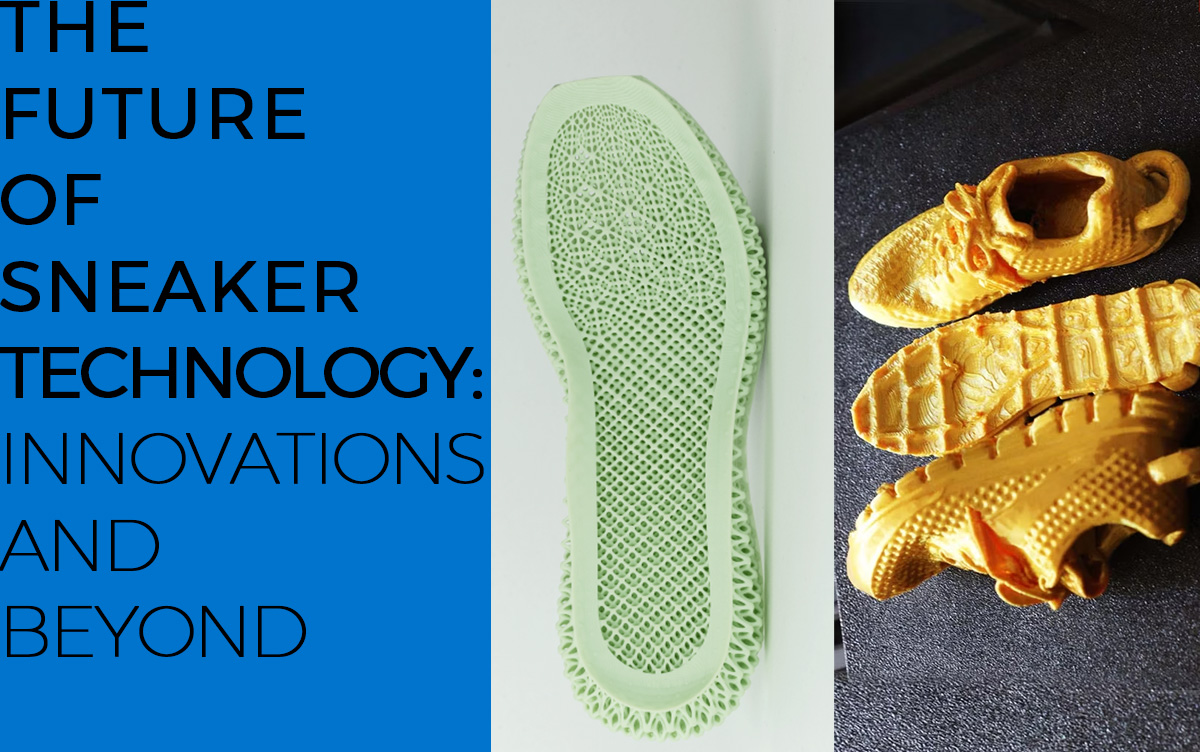
In the ever-evolving world of sneaker technology, the pace of innovation is relentless, constantly pushing boundaries and exploring new possibilities. This article delves into the latest advancements in sneaker technology, including wearable tech, 3D printing, and smart manufacturing. Moreover, it provides a glimpse into the potential future developments and technological trends that may shape the sneakers of tomorrow.
Wearable Technology in Sneakers:
One of the most exciting developments in sneaker technology is the integration of wearable tech. Sneakers are now equipped with sensors and smart devices that enhance performance and enable advanced tracking capabilities. For instance, smart insoles and footbeds can monitor biomechanics and provide real-time feedback, revolutionizing the way athletes train and perform. By analyzing data on footstrike patterns, balance, and muscle activity, wearers can optimize their movements and reduce the risk of injury.
3D Printing in Sneaker Manufacturing:
The emergence of 3D printing has revolutionized the manufacturing process of sneakers, offering unprecedented levels of customization and personalization. This technology enables the creation of intricate and lightweight midsoles and uppers, tailored to an individual's specific needs and preferences. The advantages of 3D printing in sneaker manufacturing extend beyond customization; it also allows for on-demand production, reducing waste and minimizing the environmental impact.
Smart Manufacturing and Sustainable Practices:
Smart manufacturing techniques are reshaping the sneaker industry by integrating automation and artificial intelligence into production processes. These advancements optimize efficiency and improve quality control, leading to enhanced product consistency and reduced lead times. Additionally, sustainable practices are gaining momentum in the sneaker manufacturing sector. Brands are increasingly using recycled materials and implementing eco-friendly production methods to minimize waste and carbon footprint, aligning with the growing global focus on environmental responsibility.
Biomechanics and Performance Enhancement:
Advances in biomechanics research have greatly influenced sneaker design, focusing on enhancing performance and reducing the risk of injuries. By analyzing how the foot moves and interacts with the ground, sneaker engineers can develop innovative features that cater to specific athletic activities. From adaptive support systems to personalized fit solutions, the future of sneaker technology lies in creating footwear that optimally aligns with individual foot shape, movement patterns, and performance goals.
Energy Return and Cushioning Technologies:
Energy return and cushioning technologies play a vital role in enhancing comfort and protecting athletes from impact forces. Researchers and engineers are continually exploring new materials and designs to improve energy return and impact absorption. Advancements in foam materials, gels, and air cushioning systems offer superior performance in terms of energy return and shock attenuation. Furthermore, the potential for responsive and adaptive cushioning systems that adjust to different activities and surfaces further enhances the overall athletic experience.
The future of sneaker technology holds immense potential for innovation and progress. From wearable tech and 3D printing to smart manufacturing and biomechanics, sneakers are transforming into more than just footwear. They are becoming sophisticated tools that optimize performance, cater to individual needs, and promote sustainability. As the realms of technology and design continue to intersect, the sneakers of tomorrow will offer exciting possibilities for athletes, enthusiasts, and the footwear industry as a whole.
Sneakers and Social Impact: How Sneaker Brands Drive Positive Change
Unveiling the History of Sneaker Collaborations: Fashion Meets Sports
Related Article


