
The Science Behind Sneaker Cushioning: Understanding Impact Absorption
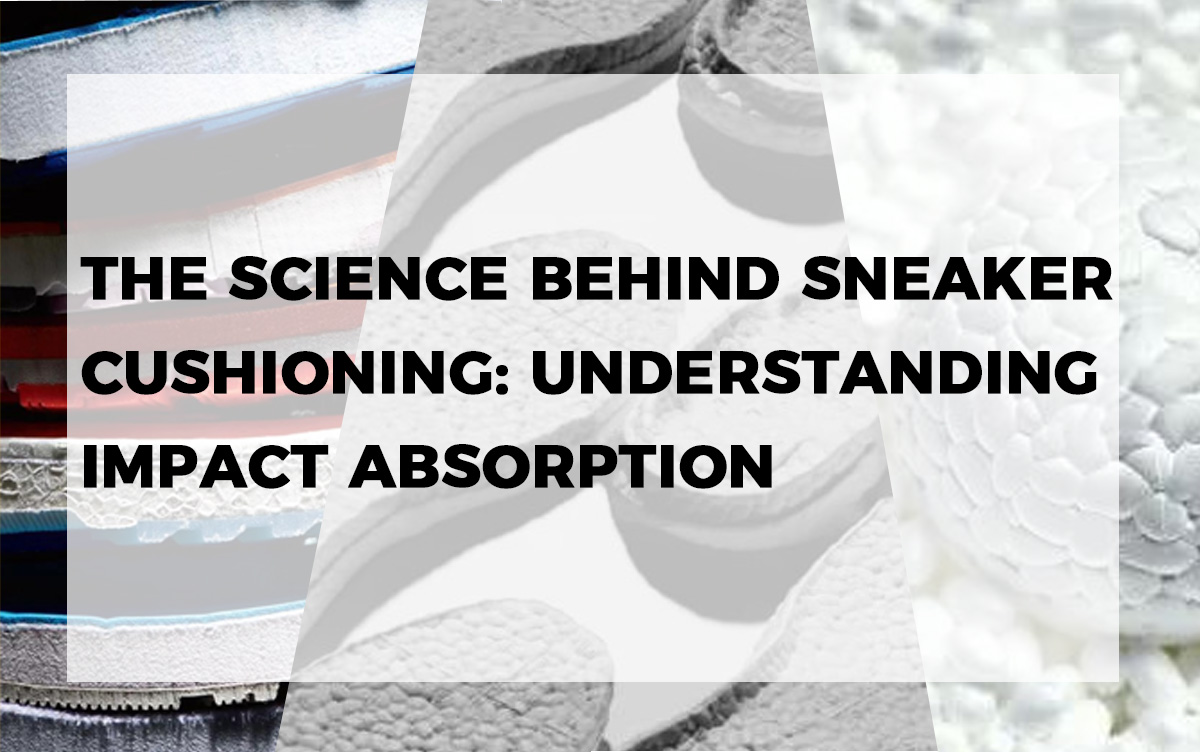
In the world of athletic footwear, cushioning plays a crucial role in providing comfort and protecting the feet and joints from the impact of physical activities. Understanding the science behind sneaker cushioning is essential for athletes and enthusiasts alike. This article aims to delve into the different types of cushioning technologies used in sports shoes, explaining how they help reduce the impact on feet and joints, and offering purchasing recommendations tailored to specific sporting needs.
The Importance of Cushioning:
Emphasize the significance of proper cushioning in athletic footwear.
Highlight the potential risks of inadequate impact absorption, such as stress fractures and joint injuries.
Exploring Common Cushioning Technologies:
a. Air Cushioning:
Discuss the pioneering Nike Air technology and its evolution over time.
Explain how air-filled compartments within the midsole absorb and distribute impact forces.
Mention other brands that utilize air cushioning systems.
b. Foam Cushioning:
Highlight the prevalence of foam materials like EVA (ethylene-vinyl acetate) and PU (polyurethane) in sneaker cushioning.
Describe the varying densities and responsiveness of different foam formulations.
Discuss advancements in foam technology, such as Adidas Boost and New Balance Fresh Foam.
c. Gel Cushioning:
Explore the use of gel-based materials, like ASICS Gel technology, in sneaker cushioning.
Explain how gel structures absorb and disperse impact forces.
Discuss the advantages and limitations of gel cushioning.
d. Other Cushioning Technologies:
Briefly mention other technologies, such as Zoom Air, React foam, and Micro G, highlighting their unique features and applications.
Choosing the Right Sneakers for Different Activities:
a. Running:
Provide recommendations for runners based on their running style, distance, and terrain.
Suggest brands and models known for their superior cushioning and support.
b. Basketball:
Discuss the specific demands of basketball, including quick movements, jumps, and landings.
Recommend basketball shoes with responsive cushioning and ankle support.
c. Cross-Training:
Emphasize the importance of versatility and stability in cross-training shoes.
Advise readers to look for sneakers with cushioning systems that cater to multidirectional movements.
d. Other Sports:
Briefly touch upon cushioning requirements for sports like tennis, soccer, and hiking.
Encourage readers to consider the specific needs of their chosen activity when selecting sneakers.
Conclusion:
Understanding the science behind sneaker cushioning is essential for athletes and fitness enthusiasts to ensure optimal performance and injury prevention. By exploring different cushioning technologies such as air, foam, and gel, individuals can make informed decisions when purchasing athletic footwear. It is recommended to consider the specific demands of the sport or activity and choose sneakers that provide adequate impact absorption and support. By investing in the right pair of sneakers, athletes can enhance their overall comfort, performance, and long-term foot and joint health.
Sustainable Sneakers: Exploring Eco-Friendly Materials and Manufacturing
Exploring the Evolution of Sneaker Design: From Function to Fashion
Related Article


